Mother Sauces Pt.2
Espagnole Pt. 2.
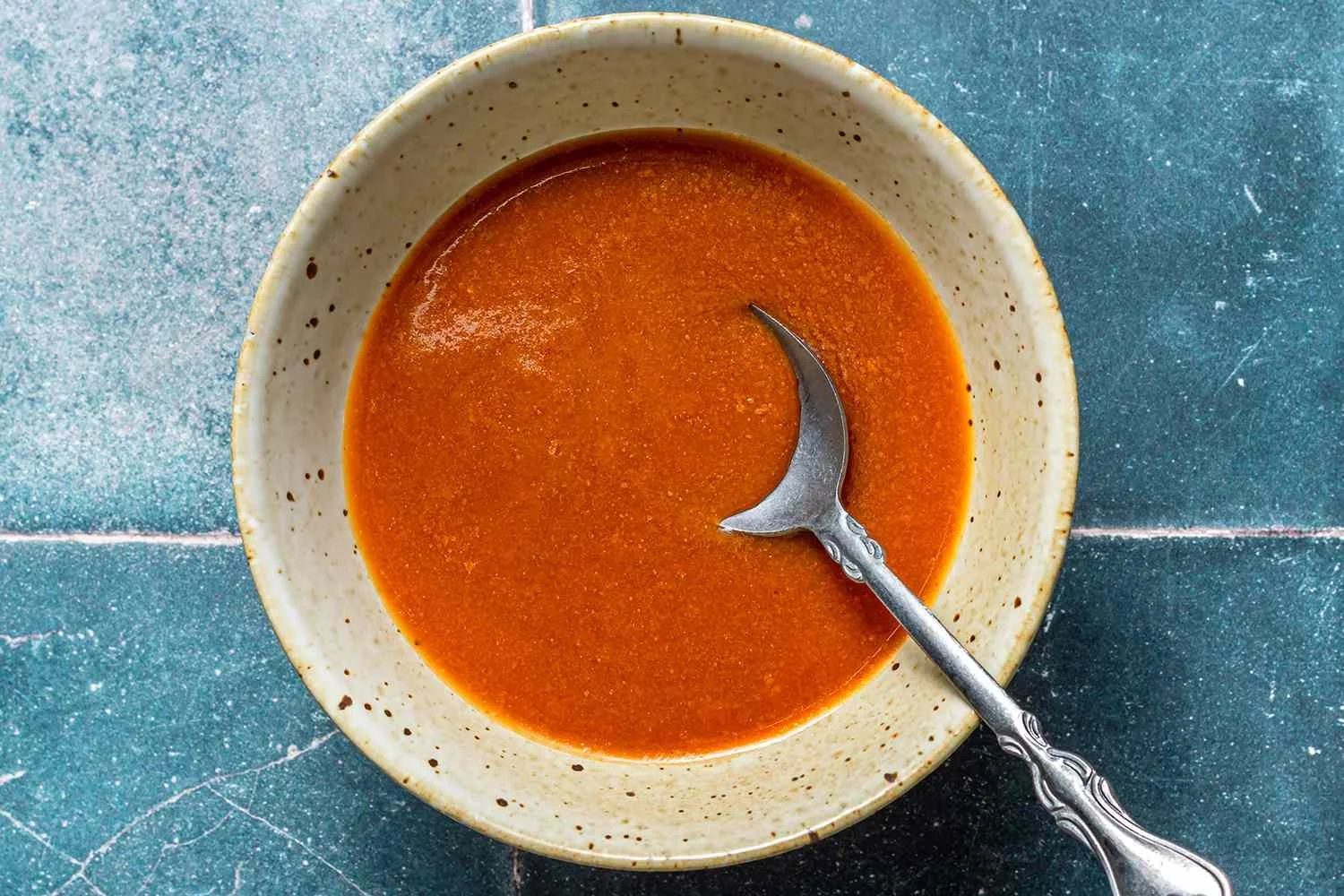
I have probably spent an unreasonable amount of my life thinking about veal stock.
Before Espagnole, before demi-glace, before any of those dark, beautiful sauces that made me want to understand classical cooking in the first place, there is a pot of bones and water sitting on the range. I love that more now, than I think I did when I was younger.
There is a lot to get right before the water ever goes into the stock pot. I want knuckles, joints, connective tissue, all the ugly parts that will eventually give me gelatin, I want the bones roasted hard, probably a little farther than someone making brown stock for the first time will be comfortable taking them. There is a smell when they are getting close that I’ve never figured out how to put into a recipe. You just know it after you’ve smelled it enough, it sometimes permeates your whites if you’re lucky.
The vegetables need color too. The tomato paste needs to cook until it changes completely from the stuff you scoop from a can, then and only then you deglaze the warping metal roasting pan, every little bit of brown fond stuck to the bottom belongs to the stock Gods.
A proper veal stock doesn’t or shouldn’t ever roll around the pot to prove something is happening, simmer down chef. I want a bubble here and there, just enough to know we’re still cooking, and nothing is spoiling. Never and I mean never boil the hell out of it, it agitates the pot black gold, works the fat into a tizzy and scatters the impurities back into the liquid, this is how you get cloudy stock, instead of something much more lovely, clarity matters to me and many other chefs.
I want to be able to hold a finished quart of brown stock up to the light and see through it, I want all that roasted flavor and richness without something that looks like Mississippi muddy water. Then I want to put it in the refrigerator overnight and find the whole thing turned into a priceless jelly the next morning. There are a few things in the kitchen that make me happier than that.
My refrigerator and freezer have become a strange archive of stock and sauces over the years. Quart containers everywhere, veal, beef, chicken, lamb, fume, demi-glace. Reductions, everywhere. Things I created for one purpose that will almost certainly end up being used for something else. Some are labeled properly. Some require a little investigation and taste testing.
Every batch has its own personality, it’s own story to tell. That’s something you don’t really understand until you’ve made a lot of stock and sauces. We talk about recipes as if ingredients are constants, and they aren’t, the bones aren’t the same, the animal certainly wasn’t the same and the vegetables change all the time, same varietal but always different. The roasting changes because I’m human and the sugars are always more or less in someway season to season.
Some come out darker with incredible gelatin and occasionally I get one that is so clean and rich that I almost want to never make another sauce or stock, because I know I can never achieve that perfection again.
One or two quarts gets pulled for a braise and eventually everything gets its marching order while another becomes a pan sauce, and every once in a while I decide we’re making Espagnole.
The funny thing about Espagnole is that by the time you begin making it, you’ve so close because the most important ingredient is ready. The classical recipe isn’t particularly complicated but it relies heavily on great brown stock, brown roux, mirepoix, tomato, and aromatics. There are ratios and procedures and generations of chefs who have already argued about all of this so we will trust their decisions and just continue to enhance the recipe by following it.
I thought of writing Pt. 2 of Mother Sauces today about Hollandaise, the egg and butter based deliciousness, but last night a chef friend mentioned Espagnole and it attacked me like a red ant in my sock. So this morning, I organized the kitchen, deep cleaned all my surfaces, scrubbed my stock pot, cut my brunoise mirepoix, picked some fresh bay. I first toasted the flour in the oven, it knocks off the raw, and really adds a nice touch of nuttiness to the finished roux, toasted my butter brown and went to town with a pre-selected quart of veal stock.
One of the things I find so compelling about classical sauces, they don’t give you many places to hide, I said this in Pt. 1. If the stock is weak, you’re going down. If the bones are scorched, boo. Its the equivalent of pulling a tiny washcloth over your face and assuming that because you cannot see anyone, nobody can see you. If you rushed the whole thing and boiled it violently because you wanted to go home or move onto another project, congratulations, you’ve carried yesterday’s bad decision directly into today’s sauce.
Espagnole gets the same patience the stock did. Gentle heat. Skim the scum or you are the scum and leave it alone when it doesn’t need you. As it reduces, you begin to see the gelatin doing its magic. The sauce takes on a different weight, it catches the light differently, and begins to hang onto the spoon. This is the part that is difficult to write about without sounding like a lunatic, there is a moment when a sauce starts to become a sauce you either know or you don’t. And I don’t know how else to describe this transition.
Somewhere near the end of this process is usually when you start thinking about the wine, Madeira here is a favorite of mine, a Port can be wonderful and a Sherry takes you somewhere else entirely, I personally think this is a terrible place to get really cheap. Put shit in, get shit out. If I’ve spent a days roasting bones, simmering, straining it, straining, straining again, cooling it, reducing it and then building another sauce from it, I’m not saving 7 bucks on the wine.
The point really isn’t to taste the fortified wine, the point is to taste the sauce and wonder why it suddenly seems bigger and more important.
There are plenty of ways to make a great sauce without spending two days making stock, I understand all of that, But when I have the time, I still want to do it the long way, mostly because I love the result, but also because I’m still learning patients.
Cooking has a way of exposing impatience, you blast the heat up when you shouldn’t and move something before it has properly browned, you slice into a protein that needed six more minutes to rest. Stock is unforgiving about this fact, It will always need what it needs.
Possibly to you, this might seem like an enormous amount of thought to put into bones and water, I suppose I agree to disagree, but the longer I’ve cooked, the more interested I’ve become in exactly these things, zero tricks or the newest piece of equipment, but how much further you can go into something you’ve already done a hundred times. Deep dive, being not a jack of all, but a master of something small and measurable, And always I’m hopefully getting just a little bit better through the process.