Mother Sauces : Hollandaise Pt.3
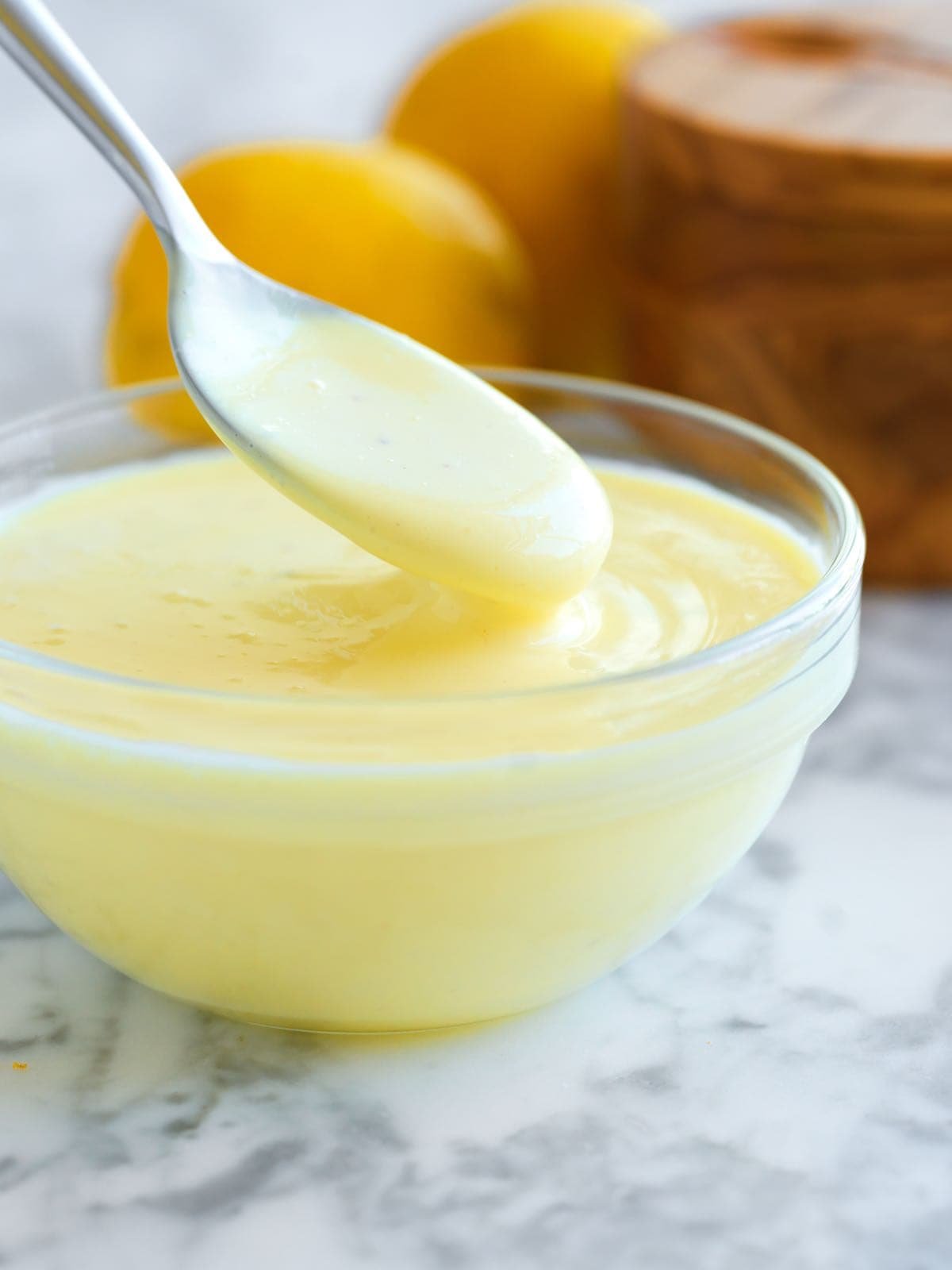
The first few minutes of making a Hollandaise are usually uneventful but always sweaty, standing over a pot of steaming water, whisking a couple of egg yolks in a metal bowl, waiting for something to change while your Hollandaise arm gets the workout. The butter is warm and clarified, hopeful within reach.
Then the yolks begin to thicken. They become lighter in color and grow slightly in volume. The whisk starts leaving a trail across the bottom of the bowl. Now you have to pay attention. The change happens quickly, and the distance between properly cooked yolks and scrambled eggs is not especially generous.
The butter goes in slowly. Painfully slowly at first. Not because the French wanted to make breakfast difficult, although there are mornings when that feels like reality, but because the yolks can only accept so much fat at one time. Add it carefully and the sauce becomes smooth and glossy. Get impatient and melted butter begins collecting around the edges of the bowl.
Hollandaise is an emulsion. We are bringing together fat and water, two things that naturally separate. Egg yolks make the relationship possible because they contain lecithin, a natural emulsifier. The yolks give the butter somewhere to go, but only at a pace they can manage, that is the structure of this sauce.
At first, the butter should be added a few drops at a time while the whisk keeps moving. Once the emulsion is established, it can be added in a thin, steady stream. As the sauce grows, the cook has to continue reading it. If it becomes too thick, a few drops of warm water will loosen it. If the bowl gets too hot, move it away from the heat. If butter begins gathering instead of disappearing into the yolks, stop pouring and let the sauce catch up.
A recipe cannot make those decisions. It cannot see the sauce tightening or feel the heat building in the bottom of the bowl. That part belongs to the cook.
Lemon juice and salt bring the finished sauce into balance. Cayenne or white pepper may follow. Hollandaise should certainly taste rich, but it should not become tiring after the first bite. The acid keeps the butter awake and gives the sauce a reason to be on the plate beyond simply adding more fat.
When we teach Hollandaise, we are always less interested in whether someone produces a perfect bowl on the first attempt than I am in whether they understand what happened along the way. A broken sauce gives us useful information. Maybe the butter was added too quickly. Maybe the heat became too aggressive. Maybe the sauce grew so thick that the emulsion could no longer accept more fat.
A broken Hollandaise can usually be repaired. Begin with a fresh yolk or a spoonful of warm water in a clean bowl, then slowly whisk the broken sauce into it just as you originally added the butter. This is an important kitchen lesson. Making a mistake does not always mean throwing everything away. Sometimes it means understanding the process well enough to put it back together.
Once the basic sauce is understood, Hollandaise opens into an entire family of sauces. This is where technique begins making room for creativity.
Béarnaise is the best-known derivative. Its flavor begins with a reduction of vinegar, shallot, peppercorn, tarragon and often chervil. That reduction is worked into the same basic emulsion, giving the butter acidity, herbs and a little more authority. Béarnaise naturally belongs with beef, grilled meat and roasted vegetables.
Add tomato to Béarnaise and it becomes Sauce Choron. The tomato changes the color, softens the sharpness of the vinegar and adds a slight sweetness.
Add meat glaze to Béarnaise and you have Sauce Foyot, also called Sauce Valois. Butter, yolk, herbs and vinegar are joined by the concentrated flavor of roasted meat. It is an assertive sauce, usually served with beef or another dish strong enough to stand beside it.
Mousseline begins with Hollandaise and folds in whipped cream. The cream changes the texture, making the sauce lighter on the palate even though it remains plenty rich. It works well with fish, asparagus and more delicate vegetables.
Maltaise is Hollandaise flavored with blood orange juice and zest. It is traditionally served with asparagus, but the larger idea is more useful than memorizing the customary pairing. Citrus changes the character of the sauce. Blood orange contributes acidity, sweetness, perfume and a slight bitterness from the zest.
The names make these sauces sound more complicated than they are. Each one begins with a technique that has already been established. From there, the chef adjusts the herbs, acidity, texture or depth of flavor to fit the food being served. This is where we return to creativity.
Before changing Hollandaise, a cook needs to understand why it holds together, what causes it to break and how heat affects the yolks. Once that knowledge becomes familiar, there is room to move.
The lemon might become another citrus. Fresh herbs, roasted garlic, smoked chile or a small amount of reduced stock might find their way into the finished sauce. The choice should make sense with the rest of the plate. Creativity is not measured by how many things we can add. It is measured by whether we know what the sauce needs and when to stop adding.
Young cooks sometimes believe that creativity means escaping the rules. In practice, good technique gives creativity somewhere to go. Understanding heat, fat, acid and seasoning allows a cook to make changes without losing control of the food.
After making Hollandaise enough times, your hands begin to recognize the pace. You know when the bowl is getting too hot. You can see when the sauce needs a little water. You taste it and understand whether another squeeze of lemon will improve it or push it too far.
That familiarity is earned through repetition. The recipe becomes less important because you have started to understand the process behind it. At that point, you are no longer trying to reproduce Hollandaise.