Who Built the Southern Table?
The Archive Plate: Skillet Cornbread • Field Peas • Potlikker Greens • Pepper Vinegar
Who grew it, who cooked it, who profited from it—and whose name was forgotten?
Southern food did not come from one person, one place, or one culture. It was built over generations through Indigenous agriculture, African knowledge, European ingredients, forced labor, migration, survival, family memory, and constant adaptation. In this first ARCHIVE lesson, we will learn to look beyond the recipe and discover the people, conditions, decisions, and techniques hidden inside the food.
History matters, but history cannot rescue poorly prepared food. Our responsibility is to understand the story and cook the food well enough to honor it.
What You Will Learn
By the end of this lesson, you should be able to:
Explain the difference between a recipe and a foodway.
Use the Archive lens to investigate a dish.
Describe the Indigenous foundation of corn-based Southern foods.
Explain how African knowledge and labor shaped Southern cuisine.
Recognize field peas as part of a larger African and African-diaspora history.
Understand greens and potlikker as the result of cultural exchange and adaptation.
Separate documented evidence from interpretation, memory, and folklore.
Prepare and evaluate a complete Southern plate at a restaurant-ready standard.
The Archive Lens
Throughout this course, we will examine food through seven questions:
Land
Where was the ingredient grown? What climate, soil, season, and agricultural knowledge made it possible?
Labor
Who planted, harvested, transported, cooked, served, and cleaned? Was that labor recognized and fairly compensated?
Movement
How did the ingredient, technique, or dish travel? Did it move through migration, trade, displacement, enslavement, or colonization?
Necessity
What tools, ingredients, fuel, money, and time were available to the cook?
Memory
How was the dish preserved through families, communities, oral teaching, and tradition?
Power
Who controlled the land, food, money, written record, and public credit?
Technique
What knowledge transformed the ingredients into something nourishing and delicious?
A recipe asks, “How much cornmeal do I need?” A foodways investigation asks, “Who grew the corn? Who developed the milling process? Who cooked it? What tools were available? Who ate first? Who was paid?”
Food is never only an ingredient list. It is a record of people making decisions under particular conditions.
Part One: Food Memory
Think of one dish that tastes like home.
Consider the following questions:
Who made it for you?
Who taught that person to make it?
Was the recipe written down?
What changed each time the dish passed from one generation to another?
Is the person responsible for the dish remembered by name?
Would the dish still carry the same meaning if a restaurant sold it?
Recipes can survive without ever being written. The danger is that the recipe survives while the person disappears.
Student Reflection
Write the name of the person connected to your food memory before writing the name of the dish. Archive Food begins with people, not products.
Part Two: Corn Before the United States
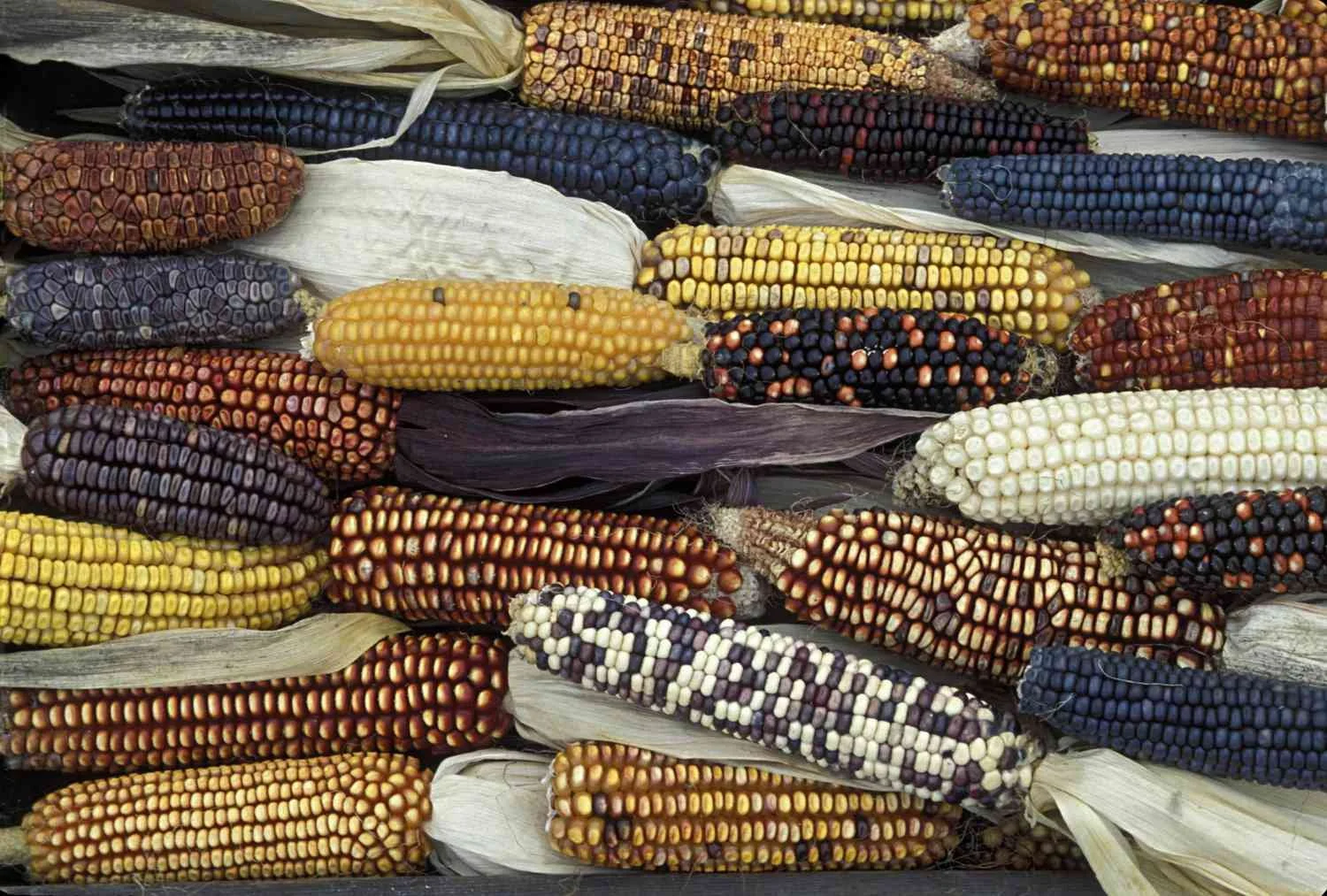
Corn was cultivated in the Americas long before European colonization. Indigenous communities developed varieties of maize along with sophisticated methods for planting, harvesting, drying, storing, grinding, and cooking it.
Ground-corn breads, porridges, and cakes existed before the modern categories of “Southern food” or even “American food.” European settlers later adopted and adapted Indigenous corn knowledge because maize grew successfully, could be dried for storage, and could be ground into meal.
Cornbread did not begin when someone printed a Southern cookbook. The printed recipe recorded one version of knowledge that was already old.
Important Teaching Points
Corn was not simply “discovered.” It was developed through generations of Indigenous agricultural knowledge.
Indigenous nations were not one culture. Different communities developed their own varieties, preparations, and traditions.
Cornbread is not one recipe. It is a family of preparations that includes ash cakes, corn pone, hoecakes, hot-water cornbread, spoonbread, and skillet cornbread.
Milling affects flavor and texture. Stone-ground meal behaves differently from finely milled commercial meal.
Freshness, corn variety, germ content, grind, hydration, fat, and pan temperature all influence the final bread.
The argument over sweet or unsweet cornbread should never replace a discussion of technique, geography, economics, and family preference.
Questions to Consider
When does an adaptation become a new dish?
Can a printed recipe own knowledge that existed orally?
What is lost when fresh stone ground cornmeal is replaced by industrial meal?
Who gets called an innovator, and who gets described only as a cook?
Part Three: Africa and the Southern Table
Africans forced into the Americas did not arrive without knowledge. They carried agricultural experience, flavor preferences, preservation methods, cooking techniques, and cultural memory. Their descendants continued to shape Southern cooking for generations.
This history should not be reduced to a list of ingredients. It includes the movement of knowledge, the exploitation of labor, the preservation of identity, and the creation of food under violent and unequal conditions.
Ingredients travel, but so do techniques, memories, and systems of power.
Field Peas
Field peas belong to the larger cowpea family and have deep histories in Africa. They moved throughout the Atlantic world and became central to many Southern food traditions.
Black-eyed peas are only one type of field pea. Other varieties include crowder peas, cream peas, purple-hull peas, and regional heirloom varieties.
Teaching Points
Different field peas have different textures, cooking times, flavors, and broth.
Peas should have creamy interiors without becoming completely broken or mushy.
The cooking liquid is part of the dish and must be seasoned intentionally.
A violent boil can damage the peas before their centers become tender.
Acid is usually most useful near the end of cooking.
Questions to Consider
What knowledge travels with an ingredient?
How does a crop change when it enters a new climate and community?
Why do some food stories become popular even when the evidence is limited?
Who benefits when a complicated history is reduced to a simple legend?
Part Four: Greens and Potlikker
Collards are members of the cabbage family and have European botanical origins. However, the plant’s origin does not explain the complete Southern practice of cooking and eating greens.
African-descended cooks brought extensive knowledge of leafy vegetables, seasoning, long cooking, and the value of the cooking broth. In the South, those techniques interacted with available brassicas, local ingredients, household resources, and generations of experience.
This is why Southern greens cannot be assigned a single, simple origin. The plant, cooking technique, labor, and cultural meaning traveled along different paths.
Teaching Points
A “mess of greens” may include collards, mustard greens, turnip greens, kale, or a mixture.
Potlikker is the deeply flavored broth created as the greens cook. It is not waste or runoff.
The broth should be evaluated like a soup: aroma, body, salt, smoke, acidity, bitterness, heat, and finish.
Thick stems and tender leaves cook at different rates and should be handled separately.
Tender greens are the goal. They should not be tough, gritty, carelessly mushy, or flat.
Pork is not the only way to create smoke. Smoked turkey, smoked mushrooms, roasted vegetables, chile, and other ingredients can be used intentionally.
Sugar is not automatic. First determine why the greens taste bitter.
Vinegar can sharpen the flavor and make other seasonings more noticeable.
Potlikker is not something left behind after cooking the greens. It is one of the reasons the greens were cooked.
Part Five: Survival Without Romance
Southern cooks created nourishment, flavor, pleasure, and community while working with restricted ingredients, limited tools, scarce resources, unwanted cuts, garden plots, foraged foods, and systems that did not value their labor.
We can admire that ingenuity without pretending the deprivation was beautiful or beneficial.
Two things can be true at the same time:
The cooking demonstrated extraordinary intelligence, creativity, and skill.
The conditions that made such improvisation necessary were often unjust and violent.
We can honor what people created without celebrating what they were forced to survive.
Questions to Consider
Does the restaurant have an obligation to credit or support the community connected to that food?
Who owns a dish created and preserved through generations of shared knowledge?
How can culinary employment create genuine independence and ownership?
How do we ensure the worker remains visible, protected, respected, and paid?
Understanding Historical Claims
Not every food story carries the same level of evidence.
Documented Evidence
Information supported by a credible historical, scholarly, or primary source.
Classroom language: “The source records…”
Interpretation
A reasonable conclusion drawn from available evidence.
Classroom language: “This evidence suggests…”
Memory
A person’s account of lived or inherited experience.
Classroom language: “In this family’s telling…”
Kitchen Laboratory
Today’s Assignment
Working as a team, we will prepare:
Skillet cornbread
Field peas with seasoned broth
Potlikker greens
Pepper vinegar
Every component must meet two standards:
It must demonstrate sound culinary technique.
Its history must be discussed accurately and respectfully.
Skillet Cornbread
Yield: One 10-inch skillet or eight tasting portions
Ingredients
2 cups stone-ground cornmeal
1 teaspoon kosher salt
1 teaspoon baking soda
2 teaspoons baking powder
2 large eggs
2 cups cultured buttermilk, plus more as needed
3 tablespoons lard
Method
Heat the oven to 450°F with a 10-inch cast-iron skillet inside.
Whisk together the cornmeal, salt, baking soda, and baking powder.
In a separate bowl, whisk the eggs and buttermilk.
Combine the wet and dry ingredients only until hydrated.
Add a small amount of buttermilk if the meal absorbs too much liquid. The batter should pour but should not be as thin as milk.
Carefully add the fat to the hot skillet.
Pour a small amount of the hot fat into the batter and stir once.
Pour the batter into the hot skillet. Listen for the sizzle—the crust begins at that moment.
Bake for approximately 18–24 minutes.
The bread should be deeply golden, set in the center, and pulling slightly away from the sides.
Rest for eight minutes before cutting.
Quality Standard
The finished cornbread should have a crisp bottom crust, moist crumb, clear corn flavor, and enough structure to absorb potlikker without falling apart.
Field Peas with Broth
Yield: Eight tasting portions
Ingredients
1 pound fresh or frozen field peas, or 1 pound dried peas soaked overnight
2 tablespoons tallow
1 medium onion, small dice
1 celery stalk, small dice
2 garlic cloves, sliced
1 bay leaf
2 thyme sprigs
6 cups unsalted stock
Kosher salt
Black pepper
Cider vinegar
Method
Sweat the onion and celery in the fat without browning.
Add the garlic during the final minute.
Add the peas, bay leaf, thyme, liquid, and optional smoked ingredient.
Bring the pot to a gentle simmer. Do not allow it to boil violently.
Cook until the peas are tender and creamy inside.
Remove the herbs and smoked ingredient.
Adjust the liquid until the broth lightly coats a spoon.
Season in stages with salt and black pepper.
Finish with a restrained amount of cider vinegar.
Quality Standard
Taste the pea skin, interior, and broth separately. The peas should be tender and creamy, while the broth should have body, balance, and a recognizable pea flavor.
Potlikker Greens
Yield: Eight tasting portions
Ingredients
2 pounds collard
2 tablespoons smoked rendered fat
1 medium onion, sliced
5 garlic cloves, smashed
1 teaspoon crushed red pepper
6 cups unsalted vegetable stock
3 Tbsp Liquid Smoke
Kosher salt TT
Black pepper TT
Cider vinegar TT
¼ cup brown sugar
Method
Wash the greens in several changes of cold water.
Separate the tender leaves from the thick stems.
Slice the stems thinly.
Sweat the onion in the fat.
Add the stems, garlic, and crushed red pepper.
Cook until aromatic.
Add the stock and optional smoked ingredient.
Simmer for 15–20 minutes to begin building the potlikker.
Add the leaves in batches.
Simmer until the greens are genuinely tender, checking approximately every 15 minutes.
Remove the smoked ingredient and return any usable meat.
Balance the potlikker with salt, pepper, acid, heat, and only enough sugar to correct excessive bitterness.
Serve the greens with enough potlikker to require cornbread.
Quality Standard
The greens must be completely free of grit. They should be tender without becoming carelessly destroyed. The potlikker should be flavorful enough to stand on its own as a broth.
Pepper Vinegar
Yield: One 16-ounce classroom bottle
Ingredients
Enough clean, small hot peppers to loosely fill a sanitized 16-ounce bottle
Approximately 2 cups vinegar containing at least 5% acidity
1 teaspoon kosher salt
Optional 1 teaspoon sugar, clearly labeled as a recipe choice
Method
Wash and completely dry the peppers.
Discard damaged peppers.
Wear gloves and avoid touching your face or eyes.
Pack the peppers loosely into a clean, heat-safe bottle.
Bring the vinegar and salt just to a simmer.
Pour the hot vinegar over the peppers, keeping the peppers submerged.
Follow the kitchen’s approved cooling procedure.
Label the bottle with its ingredients, preparation date, and preparer’s name.
Refrigerate unless using a professionally validated preservation procedure.
Quality Standard
Pepper vinegar should provide brightness, acidity, and chile aroma. It should improve the food—not punish the person eating it.
Silent Tasting Exercise
When the plate is complete, we will taste it in silence for two minutes.
First Bite
Taste each component separately.
Second Bite
Taste the cornbread with the potlikker.
Third Bite
Taste the complete plate with a few drops of pepper vinegar.
Record:
One observation about texture
One observation about seasoning and balance
One observation about historical meaning
One correction you would make before serving the plate
Critique the work, not the person. Replace “I don’t like it” with a specific sensory observation and a proposed adjustment.
Closing Reflection
Answer the following questions after the kitchen lab:
Which person or community became more visible to you today?
Which historical claim do you want to investigate before repeating it?
What did cooking the food teach you that the lecture could not?
Which component of the plate was strongest?
What would need to improve before this plate could be considered an Archive?
Complete this sentence:
Before today, I thought Southern food was __________. Now I understand it as __________ because __________.
The Final Word
Archive cooking is not about cooking old food. It is about recovering the people, choices, conditions, and techniques inside the food—and cooking it well enough that the story deserves to continue.