Why Healthcare Support Matters in Workforce Training
Why Healthcare Support Matters in Workforce Training
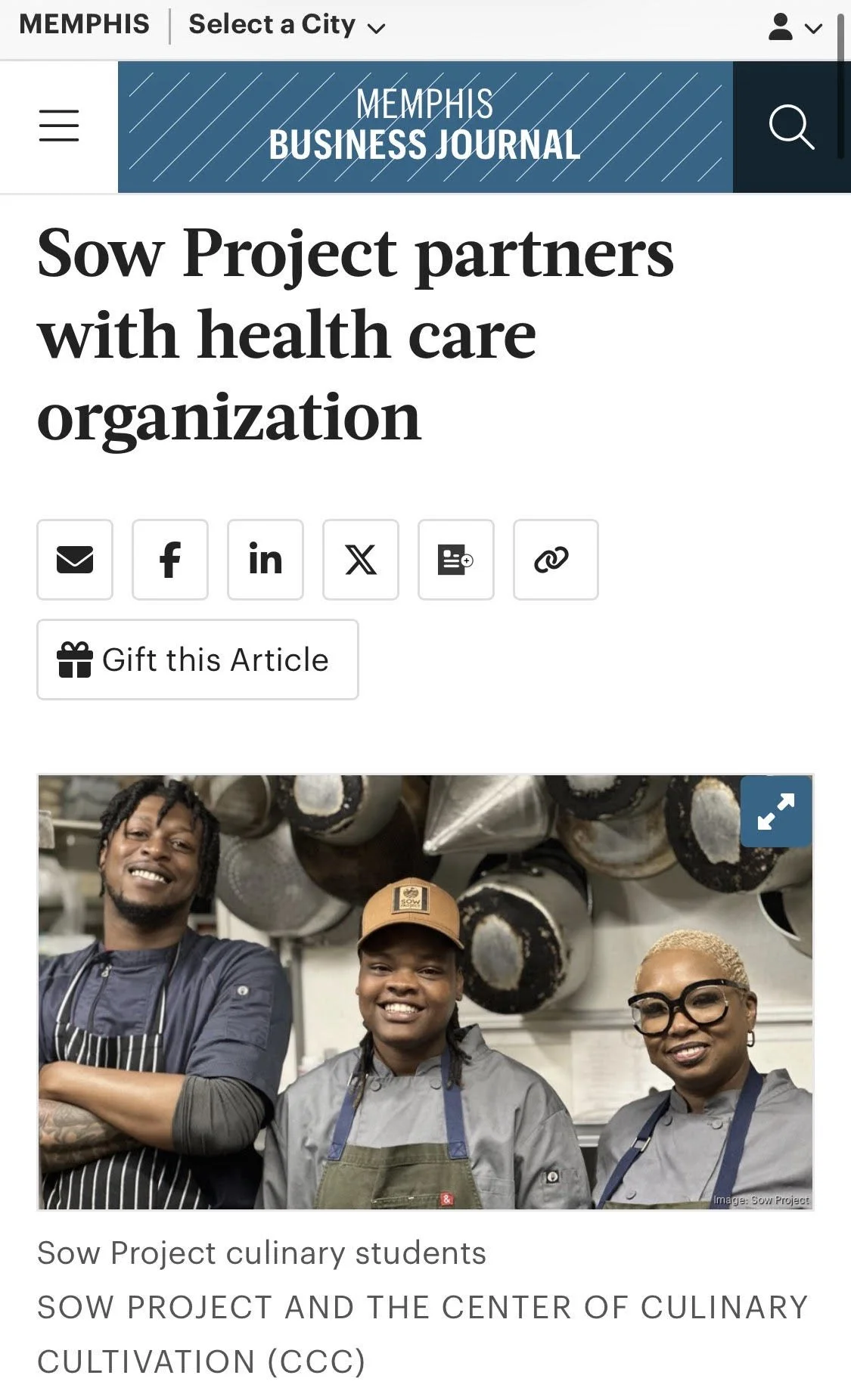
A missed shift can cost a paycheck. A missed class can delay a career. For adults trying to build stability through workforce training, healthcare access is not a side issue. It directly affects attendance, consistency, energy, and the ability to stay employed long enough for training to matter.
That is especially true in hands-on industries like hospitality and culinary work, where students are learning in fast-paced environments that demand focus, movement, communication, and reliability. Many adults entering workforce programs are balancing transportation challenges, childcare, housing costs, financial pressure, and untreated health concerns at the same time. When healthcare becomes inaccessible, training often becomes difficult to sustain.
Organizations like The Sow Project are helping reshape workforce development by building support systems around real-life barriers instead of pretending those barriers do not exist.
Workforce Development Works Better When Students Are Supported
A lot of job training programs focus almost entirely on instruction. Teach the skill, issue the certificate, and hope the student can manage everything else alone.
That approach leaves too much exposed.
A student can be talented, motivated, and fully capable of succeeding while still struggling because:
a prescription becomes too expensive
a routine medical issue turns into an emergency
stress begins affecting attendance
or navigating healthcare systems becomes impossible while trying to work and train at the same time.
Strong workforce development programs understand that support systems directly impact completion rates, placement outcomes, and long-term retention.
That is why modern hospitality workforce training increasingly includes:
transportation support
uniforms and tools
case management
financial coaching
employer-connected job placement
mentorship
and healthcare access partnerships.
These are not “extras.” They are part of what allows students to remain stable enough to finish training and move successfully into employment.
The LifeDoc Partnership at The Sow Project
At The Sow Project, workforce development extends beyond culinary instruction alone. Students move through a structure designed around long-term employment readiness, apprenticeship participation, supportive services, and direct employer connection throughout Memphis and the Mid-South region.
As part of that support model, enrolled students also receive access to the organization’s partnership with LifeDoc.
The LifeDoc program is not traditional insurance coverage. It is a concierge-style healthcare support program designed to help students maintain stability while progressing through training and workforce placement.
The program may include access to:
well visits
sick visits
prescription support
referral coordination
healthcare guidance
and emergency care direction when appropriate.
The purpose is practical.
When students can address health concerns early, they are more likely to:
stay consistent in class
remain active in apprenticeship participation
maintain attendance
reduce avoidable disruptions
and remain employed after placement.
For workforce development organizations, healthcare support is not about replacing the medical system. It is about removing barriers that repeatedly interrupt employment progress.
Why This Matters in Culinary Workforce Training
Hospitality and culinary careers require consistency. Kitchens move quickly. Employers need workers who can communicate clearly, stay organized, work under pressure, and continue showing up reliably.
That becomes much harder when basic health concerns go untreated.
A student struggling with unmanaged asthma, stress-related exhaustion, untreated infections, or prescription access may have the skill to succeed but still lose momentum before workforce stability is achieved.
Programs that connect healthcare support with workforce training create stronger long-term outcomes because they support the conditions required for employment retention, not just initial placement.
That distinction matters.
There is a major difference between:
“helping someone get hired”
and
“helping someone remain employed long enough to build a career.”
The strongest workforce programs understand both responsibilities.
Healthcare Access Is Workforce Infrastructure
The conversation around workforce development is changing.
More organizations, employers, donors, and workforce boards are recognizing that job readiness is not only about technical skill. Stability matters too.
That includes:
healthcare access
transportation reliability
communication support
financial literacy
and consistent case management.
Programs that address those issues tend to produce stronger retention, stronger placement outcomes, and more reliable workforce pipelines for employers.
That is one reason workforce-centered hospitality programs like The Sow Project continue gaining attention across Memphis and the broader Southeast. The model is designed around practical workforce outcomes, hospitality apprenticeship training, culinary workforce development, and long-term employment placement — not simply classroom instruction alone.
What Students Should Look For
If you are considering a workforce training program, ask practical questions before enrolling.
Ask:
what support systems exist
whether the program connects directly to employers
what happens when barriers arise
whether healthcare support or referrals are available
and how the program helps students remain employed after placement.
A strong workforce training program should not ignore real life. It should be built for real life.
That means maintaining standards while also building the support structure necessary for students to meet them.
People do not need lower expectations.
They need a pathway strong enough to carry momentum from training into lasting employment.