Breakfast Practical
BREAKFAST TECHNIQUE 01
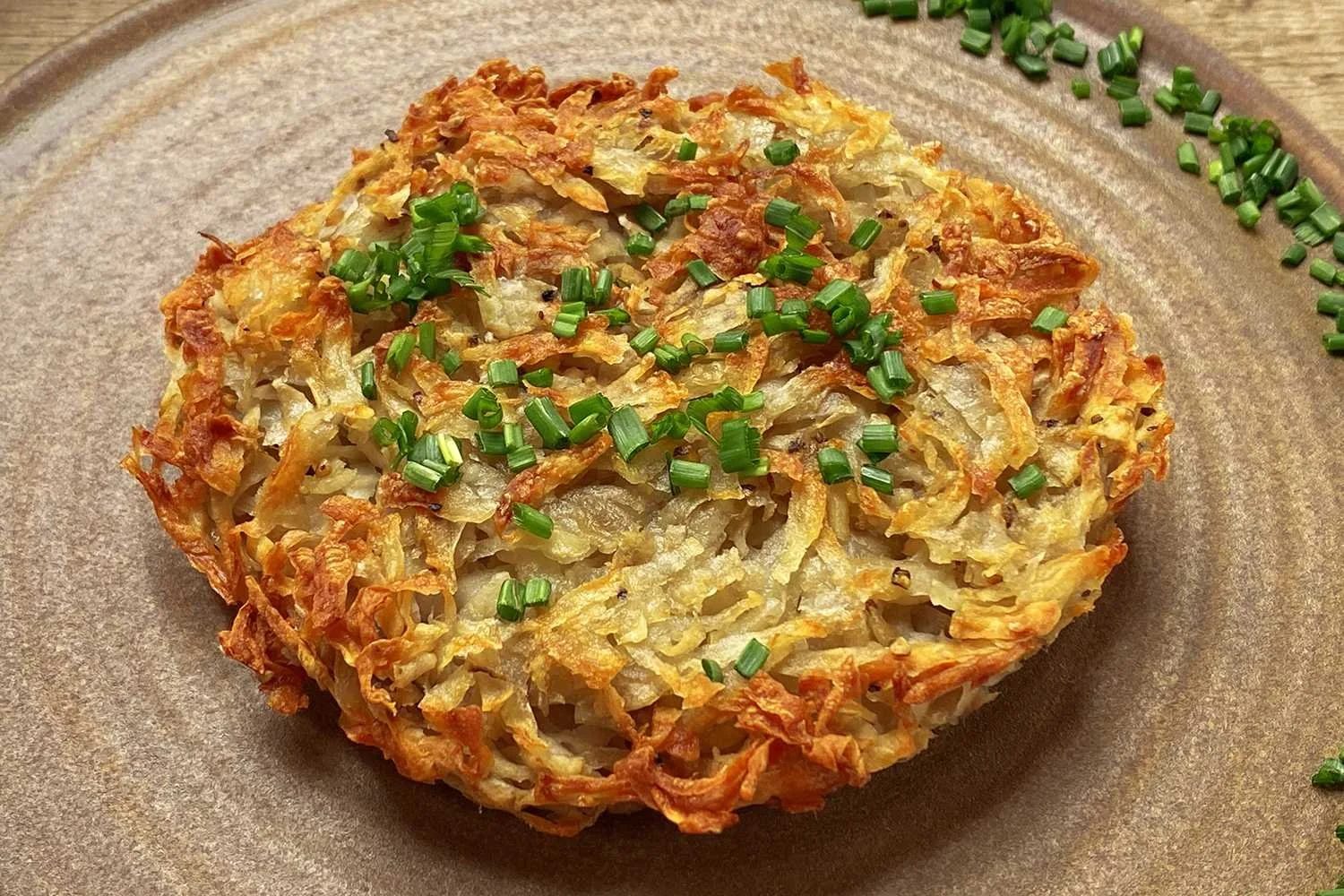
Rosti Potato
YIELD 1 large rosti or 2 small portions
Ingredients
1 large russet potato
2 tablespoons clarified butter, divided
1/2 teaspoon kosher salt
Black pepper, as needed
Method
Peel the potato and grate it using the large holes of a box grater.
Place the grated potato in a clean kitchen towel. Twist firmly to remove as much liquid as possible.
Transfer the potato to a bowl and season with salt and black pepper.
Heat 1 tablespoon clarified butter in an 8-inch nonstick or cast-iron skillet over medium heat.
Add the potato and spread it evenly across the pan. Press gently into a compact cake.
Cook without disturbing for 5 to 7 minutes, until the bottom is crisp and deeply golden.
Slide the rosti onto a plate. Place the skillet upside down over the plate and carefully invert it.
Add the remaining clarified butter around the edges. Cook for another 5 to 7 minutes, until golden and tender throughout.
Transfer to a wire rack or serving plate. Taste and adjust the seasoning before serving.
CHEF NOTE The potato must be dry before it reaches the pan. Moisture prevents a crisp crust from forming.
BREAKFAST TECHNIQUE 02
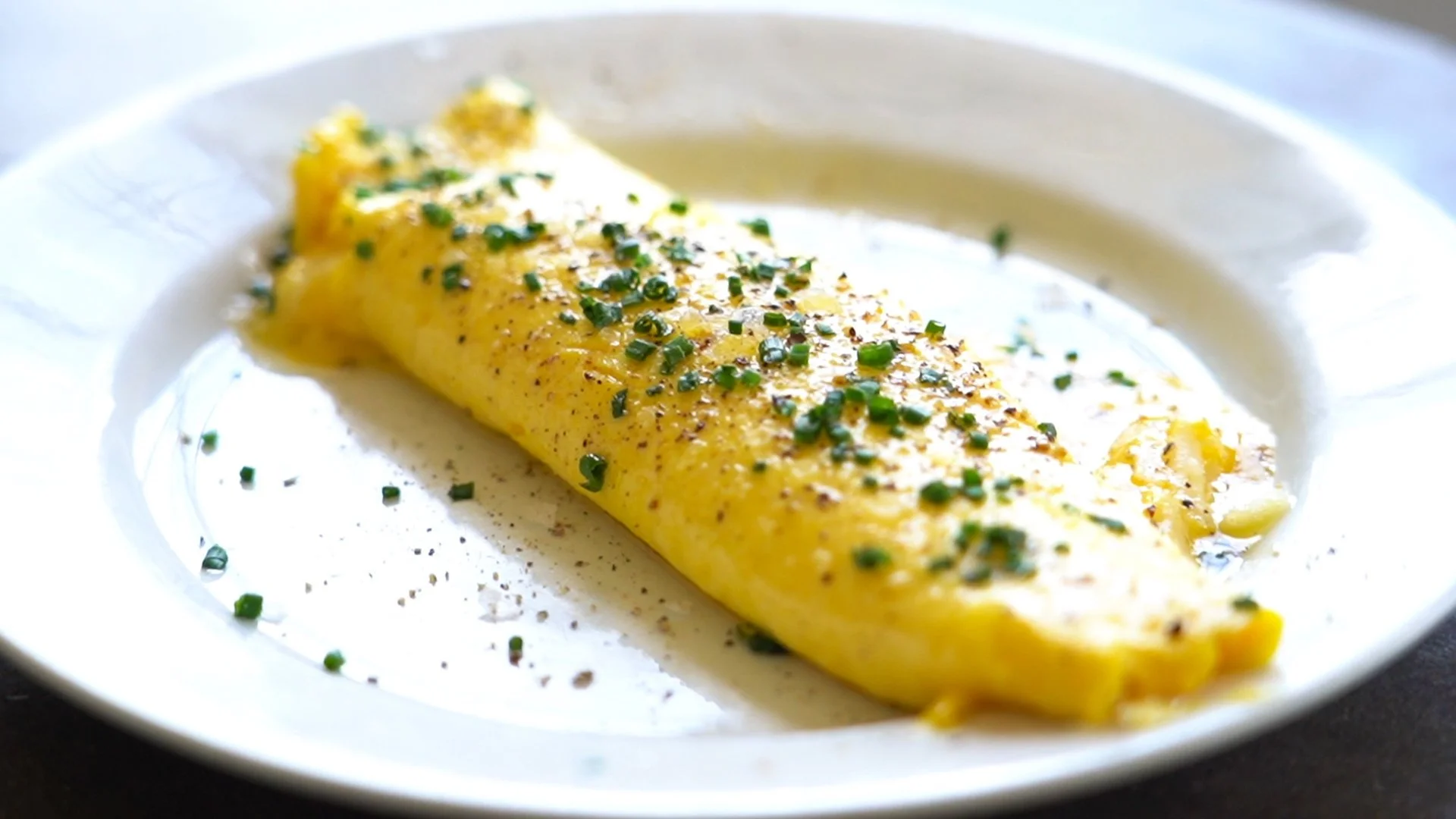
French Omelette with Chives and Gruyere
YIELD 1 omelette
Ingredients
3 large eggs
1/4 teaspoon kosher salt
1 tablespoon cold unsalted butter, divided
1 tablespoon finely sliced fresh chives
1 ounce Gruyere cheese, finely grated
White pepper, optional
Method
Crack the eggs into a bowl. Add the salt and whisk until the whites and yolks are completely combined. Avoid incorporating excessive air.
Heat an 8-inch nonstick skillet over medium-low heat.
Add 2 teaspoons butter and allow it to melt without browning.
Pour the eggs into the skillet. Immediately stir with a rubber spatula while gently moving the pan.
Continue stirring until the eggs form very small, soft curds. Spread them evenly across the skillet while the surface is still slightly wet.
Add the Gruyere and chives in a line through the center.
Remove the skillet from the heat. Fold one side toward the center, then roll the omelette carefully toward the opposite edge.
Invert onto a warm plate with the seam underneath. Rub the remaining cold butter over the surface.
Garnish with additional chives and the one-egg Hollandaise.
CHEF NOTE The finished omelette should be pale yellow without browning. The center should remain soft and slightly custardy.
BREAKFAST TECHNIQUE 03
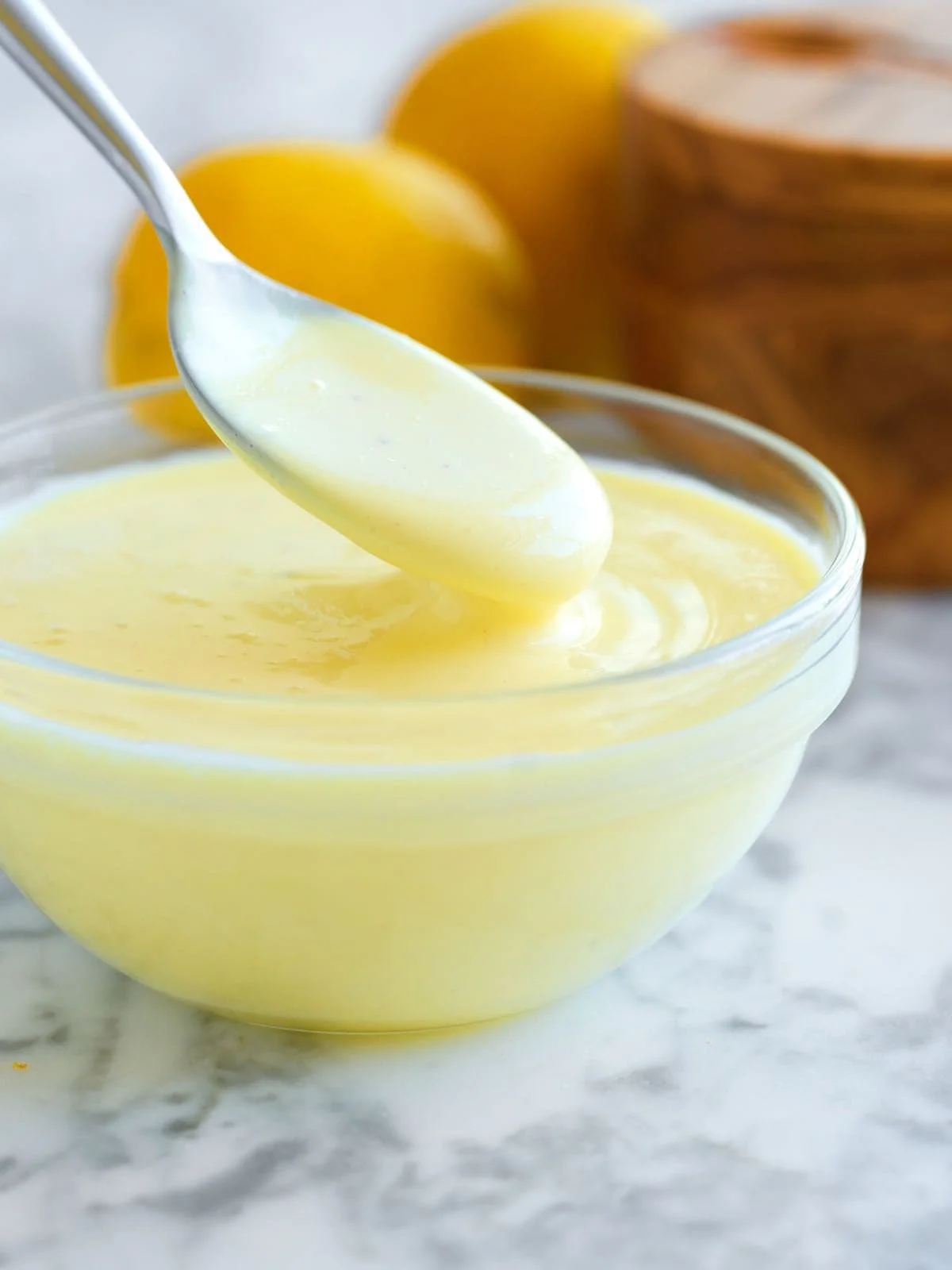
One-Egg Hollandaise
YIELD Approximately 1/3 cup
Ingredients
1 large egg yolk
1 teaspoon water
4 tablespoons unsalted butter, melted and warm
1 to 2 teaspoons fresh lemon juice
Kosher salt, as needed
Pinch of cayenne or white pepper
Method
Place the egg yolk and water in a small stainless-steel bowl.
Set the bowl over a small saucepan of barely simmering water. The bottom of the bowl should not touch the water.
Whisk constantly until the yolk becomes pale, thick and slightly increased in volume. The whisk should briefly leave a trail across the bottom of the bowl.
Remove the bowl from the heat. Add the warm butter a few drops at a time while whisking continuously.
Once the emulsion begins to form, add the remaining butter in a very thin, steady stream.
If the sauce becomes too thick, whisk in a few drops of warm water.
Add 1 teaspoon lemon juice. Season with salt and cayenne or white pepper. Taste and add more lemon juice if needed.
Keep the Hollandaise warm, not hot, until ready to serve. If it tightens, whisk in a few drops of warm water.
CHEF NOTE If the sauce begins to look greasy, stop adding butter. Whisk until the emulsion is smooth before continuing.
BREAKFAST TECHNIQUE 04
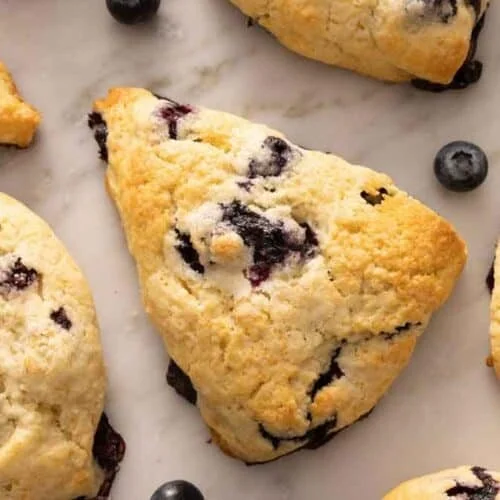
Blueberry Scones
YIELD 6 scones
Ingredients
2 cups all-purpose flour
1/3 cup granulated sugar
1 tablespoon baking powder
1/2 teaspoon kosher salt
6 tablespoons cold unsalted butter, cut into small cubes
3/4 cup fresh or frozen blueberries
1 large egg
1/2 cup cold heavy cream
1 teaspoon vanilla extract
1 teaspoon finely grated lemon zest, optional
Additional heavy cream, for brushing
Coarse sugar, for finishing
Method
Heat the oven to 400 F. Line a baking sheet with parchment paper.
Combine the flour, sugar, baking powder and salt in a large bowl.
Add the cold butter. Work it into the flour with your fingertips or a pastry cutter until the mixture contains irregular pieces ranging from coarse crumbs to small peas.
Gently fold in the blueberries and lemon zest.
In a separate bowl, whisk together the egg, heavy cream and vanilla.
Pour the wet ingredients over the flour mixture. Fold gently until a rough dough begins to form. Do not overmix.
Turn the dough onto a lightly floured surface. Press it together gently and form a circle approximately 1 inch thick.
Cut the circle into 6 equal wedges and arrange them on the prepared baking sheet.
Brush the tops lightly with heavy cream and sprinkle with coarse sugar. Chill for 15 minutes.
Bake for 18 to 22 minutes, until the tops are golden and the centers are fully baked. Cool on a wire rack for at least 10 minutes.
CHEF NOTE If using frozen blueberries, add them directly from the freezer. Do not thaw them first.