Memphis, set the table.
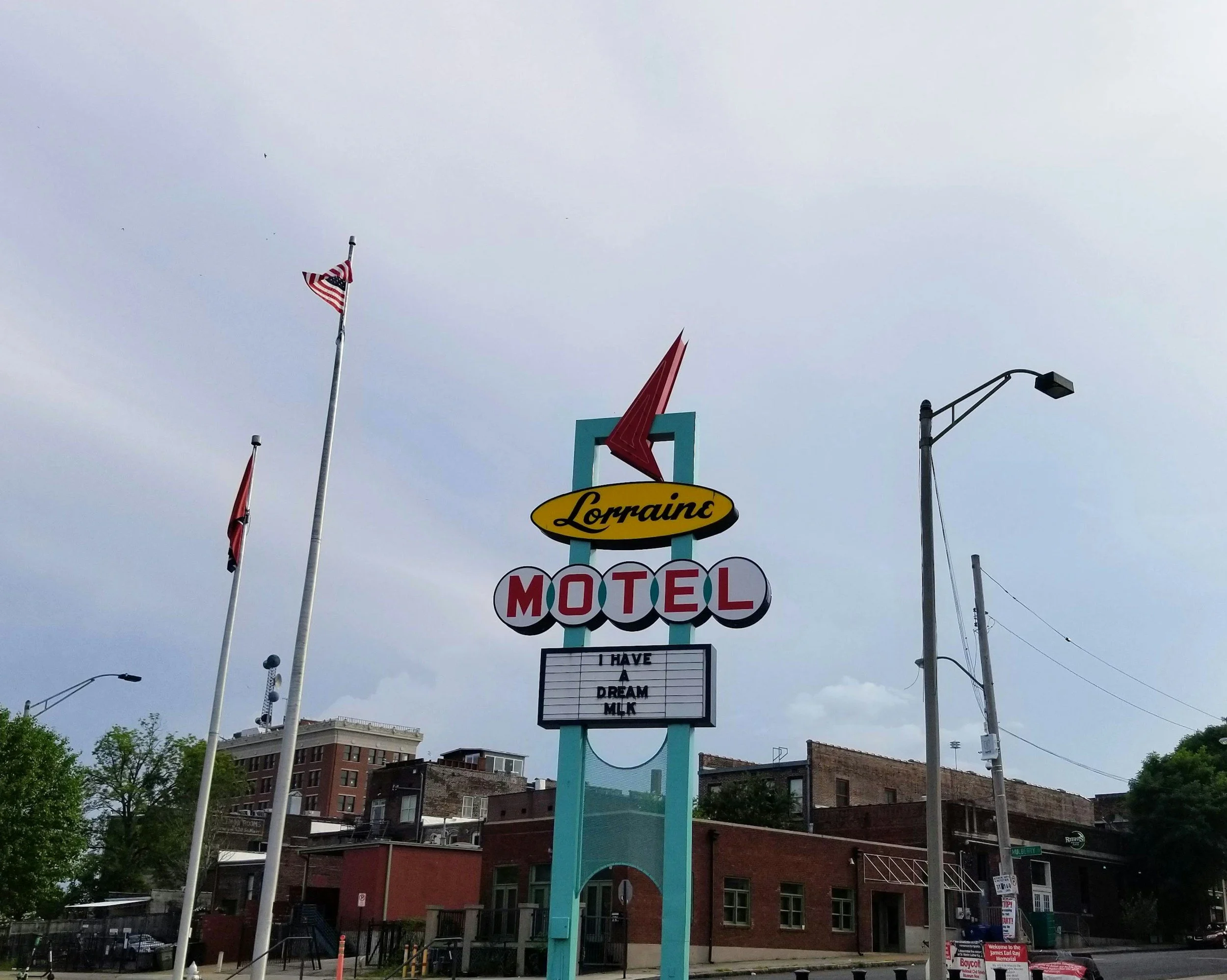
Memphis is a song before it’s a city,
a horn warming up on Beale
before the first note ever leaves the brass.
It’s the river bending like an elbow,
leaning on the bank, watching us try again.
It’s a hundred church doors
and one long kitchen line of a street,
where the fryer oil talks back
and the neon blinks its tired, hopeful blink.
Memphis is a grandmother’s stove,
two eyes working, two eyes broken,
but somehow the whole block still eats.
It’s her hands teaching cornbread by feel,
no recipe card, just memory and smell
and the soft command: “Taste it, baby.”

For too long, our city’s best seasoning
stayed locked inside those kitchens,
tucked away in houses the tourists never see,
in neighborhoods the headlines only visit
when something goes wrong.
But there is another story here.
It begins with a key turning
in a building that used to be something else.
It begins with a bus ride to Dellwood,
a walk down South Main,
a door marked not by a price
but by a promise:
Come as you are.
Leave in a chef coat.
The Sow Project is not a miracle.
It is something harder:
a plan that shows up every day.
It is steel tables and dented pans,
a worn cutting board that has seen
every version of “I’m not sure I can do this”
and every version of “Watch me.”
It is a young man from Frayser
learning the difference
between a job and a wage
and a craft and a career.
It is a young mother from Orange Mound
resetting the story her children inherit,
trading the sound of unpaid bills
for the steady rhythm of a dinner rush,
for the music of tickets on the line
and guests saying, “Compliments to the chef.”
In this kitchen, time moves differently.
Forty-five minutes of knife skills
can cut through forty-five years
of “this is just how it is.”
One six-hour shift on the line
can stretch across six generations
when the paycheck brings home more
than tired feet —
when it brings home pride.
Here, we do more than season food.
We season futures.
We turn “I got lucky with this job”
into “I’m a sous chef on South Main.”
We turn “I can’t afford school”
into “I finished the program,
and I start full-time Monday.”
We turn “this neighborhood is struggling”
into “this block smells like fresh bread
and roasted chicken and overtime pay.”
Memphis has always been rich,
just not always in the ways
the world bothers to count.
We measure in recipes passed down,
in the way a stranger becomes family
over a plate of something hot and honest.
Now imagine if we start counting differently.
Imagine every apron tied
as a line item in the city’s budget.
Every student in a chef coat
as a new line of revenue.
Every paid apprenticeship
as a tax base blooming,
one paycheck, one tip-out,
one direct deposit at a time.
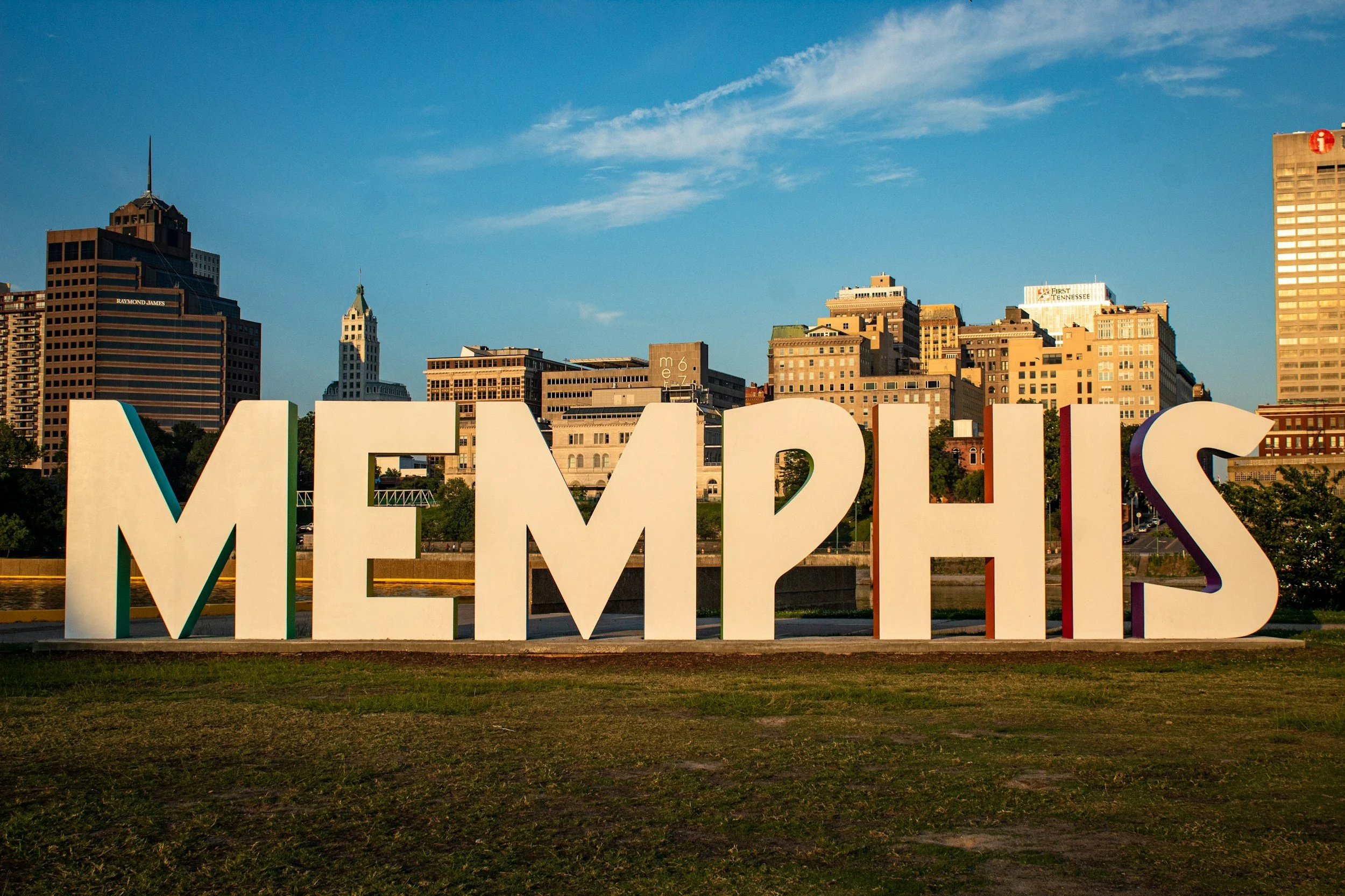
Imagine a generation that grows up
thinking a kitchen isn’t just
where you go when you’re stuck,
but where you go when you’re called.
A city’s economy is just a story
about what we value.
So what happens when we say,
out loud and with our checkbooks,
that we value:
hands that know how to julienne,
minds that know food cost and margins,
hearts that know hospitality
as something sacred?
What happens when a free program
in a city long underestimated
proves over and over
that talent is not the problem,
it’s access?
Maybe the next great chef
doesn’t have to leave Memphis
to be discovered.
Maybe the next great restaurateur
is standing on our line right now,
learning how to call tickets,
learning how to say,
“Yes, Chef,”
to a future they didn’t know
they were allowed to want.
Maybe the next wave of small businesses
starts with a bus ride to our door,
with a donated knife kit,
with a uniform that fits
and a mentor who refuses
to let anyone shrink themselves
to match the limits of their ZIP code.
Memphis has always been a kitchen
disguised as a city
heat, pressure, rhythm,
soul and smoke and second chances.
The Sow Project is just
turning on another burner.
We are not here to save Memphis.
Memphis has been saving itself
for a long time.
We are here to unlock
what’s already simmering:
in Dellwood, in South Main,
in every home where someone
is feeding more people
than they can afford to count.
We are here to lay out the mise en place
for a different kind of inheritance:
Not just family recipes,
but family résumés.
Not just “your grandma could cook,”
but “your mama runs that kitchen.”
Not just stories of scraping by,
but stories of building up.
One student.
One station.
One service.
One paycheck.
This is how a city changes
not all at once,
but in shifts:
morning prep,
midday training,
nightly service,
generational impact.
Memphis, pull up a chair.
The line is hot,
the tickets are printing,
and the future
is coming out of the window
right now,
on warm plates,
carried by steady hands
that once thought
they had nothing to hold.
BV-